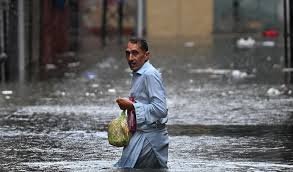
Pakistan's skies have turned. And if you have a trip planned — to the north, to Karachi, anywhere — right now is the moment to stop, read this, and make a smarter call. Because the 2026 monsoon is not playing around.
Here is what the weather means for your travel plans, and what you need to do about it before you leave home.
Pakistan's 2026 Monsoon Is Already Hitting Hard
Pakistan's Meteorological Department issued a nationwide alert predicting the monsoon's onset during the first week of July 2026, driven by a westerly weather system entering the country's upper regions — bringing with it widespread rain, windstorms, and thundershowers. Business Recorder
This is not just seasonal rain. This is a country that has been through catastrophic flooding in back-to-back years. Last year alone, monsoon rains killed more than 1,000 people — including 275 children — and displaced three million from their homes. The government is not taking any chances this time around. Al Jazeera
District administrations have been directed to place rescue teams on standby, keep emergency resources ready, and maintain major highways — while tourists have been specifically advised against unnecessary travel in affected regions. Arab News
That word "unnecessary" is doing a lot of work in that sentence. If your trip can wait, it should.
Which Parts of Pakistan Are Most at Risk Right Now
Not every city is equally affected. Understanding where the danger is concentrated will help you decide whether to go, reroute, or simply delay.
Pakistan's geographic diversity means weather conditions vary dramatically. The northern mountain regions — including areas near the Karakoram and Himalayas — experience the highest monsoon intensity, often with landslides and temporary road closures during the rainy season. Sindh generally receives far less rainfall, though heavy downpours can occasionally cause urban flooding, especially in Karachi. Travel-culture
The Pakistan Meteorological Department has forecast windstorms and lightning severe enough to damage weaker structures — including solar panels, electric poles, and billboards. In rural and mountain areas, that same wind tears roads apart. The Express Tribune
In Gilgit-Baltistan specifically, temperatures this year already broke records — hitting 48.5°C, the highest ever recorded in the region since 1971. Glacial melt on top of monsoon rain is a dangerous combination that creates flash floods with almost zero warning. Al Jazeera
If you are planning a trip to Swat, Hunza, Naran, Kaghan, or Azad Kashmir — your risk level right now is significantly elevated.
What the Climate Science Is Actually Telling Us
This is no longer a "bad season" situation. According to World Weather Attribution's analysis published in May 2026, the April heatwave across South Asia was made approximately three times more likely by human-induced climate change and about one degree Celsius hotter than it would have been without it. Pakistan Today
The science is clear: what was once considered an extreme weather event in Pakistan is rapidly becoming the new normal. Comparable conditions could occur every two to three years by the end of the century. Pakistan Today
Pakistan remains on high alert for extreme weather events, less than four years after catastrophic 2022 floods submerged large parts of the country, affected 33 million people, and killed more than 1,700. Arab News
This is not fear-mongering. It is the reality Pakistani travelers need to factor into every trip they book, especially during summer months.
What Smart Travelers Are Doing Right Now
You still have options. The monsoon does not shut the entire country down — but it does demand a different kind of planning.
First, check before you book. The Pakistan Meteorological Department (PMD) issues daily weather updates, and the National Disaster Management Authority (NDMA) publishes active alerts for high-risk districts. The PMD provides forecasts and warnings directly, and the NDMA coordinates disaster preparedness and response across the country. Both have active social media channels and websites. Use them. U.S. Department of State
Second, travel insurance is no longer optional. If a road washes out or a flight gets diverted, you need financial cover. Make sure your policy explicitly includes weather-related trip cancellations and medical evacuation.
Third, consider redirecting your travel plans entirely. If northern Pakistan is your destination, this may be the season to pivot toward Umrah, a Gulf city break, or an international destination where the weather is stable. Travel is not cancelled — it is just being smart about timing.
Traveling Through an Agency vs. Going It Alone
This is exactly the kind of season where having a reliable travel partner is not just convenient — it is genuinely protective.
When conditions change overnight, a solo booking leaves you negotiating with airlines, hotels, and transport operators by yourself. An experienced travel agency monitors conditions on your behalf, knows which routes are still open, and can restructure your itinerary faster than you can refresh your app.
At Blue Sky Travels and Tours, we track weather advisories and NDMA updates in real time during active alert seasons. Whether you are planning an Umrah package, a Gulf trip, or a domestic journey, our team helps you move forward with a plan that accounts for what is actually happening on the ground — not just what the brochure promised.
Do not let the monsoon catch you mid-trip without backup.
Call us on 0335-1374514 or 0335-3775508, or email us at blueskytravelskarachi@gmail.com. We are ready to help you reroute, reschedule, or find a smarter path to wherever you need to be.
Your safety is the trip. Everything else is details.